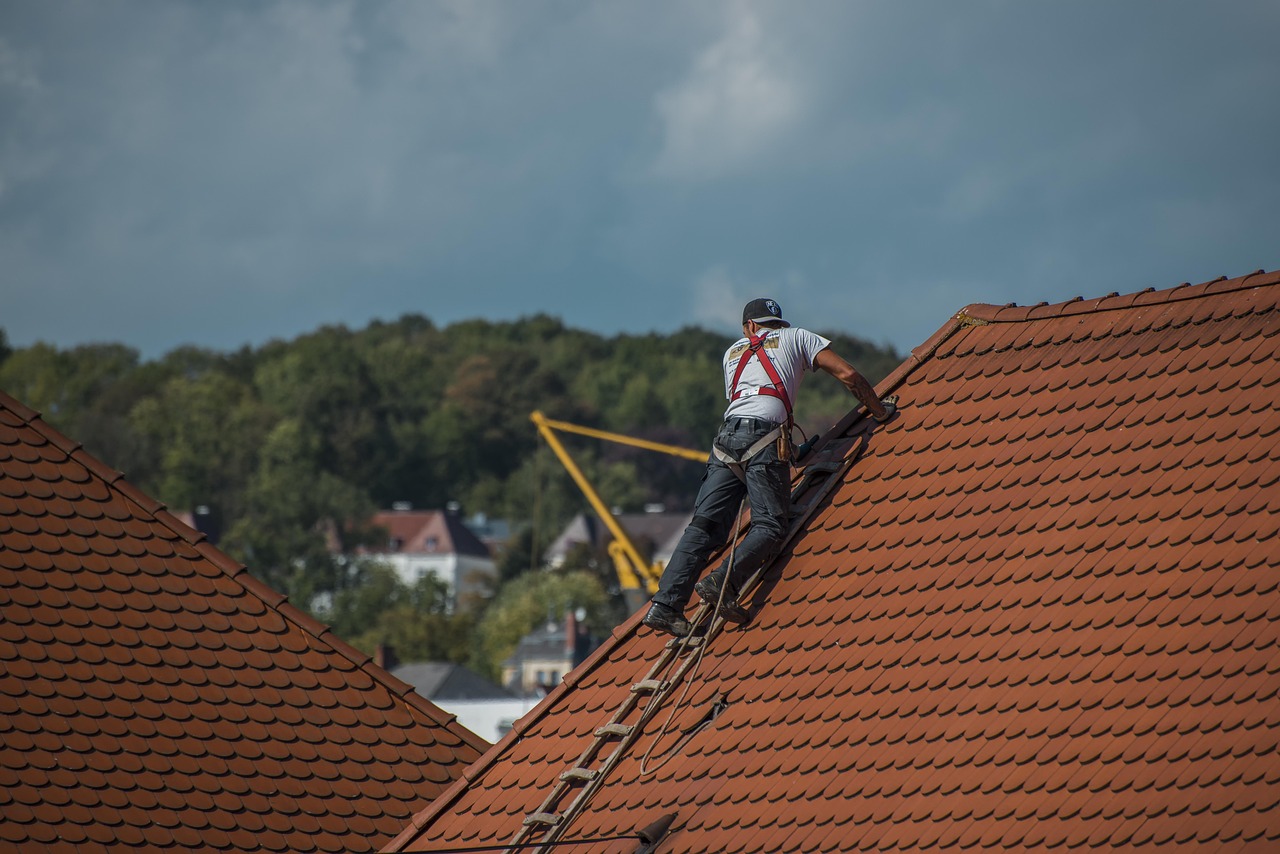
Toronto’s diverse neighborhoods present unique challenges when it comes to roofing regulations. From historic districts demanding period-appropriate styles to industrial areas requiring robust, durable solutions, the city’s roofing landscape is as varied as its communities. This complexity can be a burden for both residents and contractors, navigating a patchwork of local by-laws and building codes.
This article offers an in-depth look at roofing regulations across Toronto’s diverse neighborhoods, providing essential guidance for homeowners, contractors, and developers. We delve into the specific requirements for Toronto-industrial-roofing, offering practical insights to ensure compliance and foster safe, sustainable, and aesthetically pleasing roofs for the city’s varied districts.
- Understanding Toronto's Roofing Bylaws and Permits
- Navigating Neighborhood-Specific Regulations in Toronto
- Best Practices for Toronto-Industrial-Roofing Projects
Understanding Toronto's Roofing Bylaws and Permits
Toronto’s diverse neighborhoods present unique challenges when it comes to roofing regulations, with each area subject to specific by-laws governing construction and maintenance. Understanding these bylaws is crucial for property owners and managers, especially those overseeing industrial spaces in the city. For instance, Toronto-industrial roofing requires adherence to strict guidelines aimed at ensuring structural integrity and safety, particularly in high-density urban areas.
Roofing innovations for industrial facilities must consider local regulations and environmental factors. The city’s diverse climate calls for robust and durable materials capable of withstanding extreme weather events, which are essential considerations when choosing an appropriate roof system. Moreover, the installation process demands precision to meet safety standards, especially in areas with high traffic or hazardous materials storage. For example, a factory roof repair in Toronto requires specialized expertise to address leaks without disrupting operations, ensuring compliance with local building codes.
Navigating these regulations can be complex, and property managers often turn to roofing experts like Crown Industrial Roofing, based at 227 Queens Plate Dr, Unit 3, Etobicoke, Ontario M9W 6Z7. With over a decade of experience, the team specializes in toronto-industrial-roofing solutions, offering comprehensive services from initial consultation to post-installation support. They stay abreast of local building codes and offer guidance on permitting processes, ensuring clients’ projects comply with current regulations. Contacting them at (416) 744-7788 allows property owners to access expert advice tailored to their specific needs, be it a routine inspection or an emergency fix for industrial roof leaks in Toronto.
By understanding and adhering to these roofing bylaws, property owners can avoid costly fines and potential safety hazards, ensuring their industrial spaces are secure and compliant with Toronto’s evolving urban landscape requirements.
Navigating Neighborhood-Specific Regulations in Toronto
Toronto’s diverse neighborhoods present unique challenges when it comes to roofing regulations. Each area has its own set of guidelines and restrictions, reflecting the local character and historical development. For instance, the historic districts in downtown Toronto require roofs that align with specific architectural styles, while newer suburban developments prioritize energy efficiency and sustainable materials. Understanding these neighborhood-specific rules is crucial for both property owners and contractors engaging in toronto-industrial-roofing projects.
Navigating these regulations requires a deep knowledge of local bylaws and building codes. Property owners often seek professional advice on preventative roof maintenance Toronto to ensure their properties comply with the latest standards. For industrial buildings, fixing industrial roof leaks Toronto promptly is not just about preventing water damage; it’s also a matter of adhering to safety regulations and maintaining operational continuity. Crown Industrial Roofing, located at 227 Queens Plate Dr, Unit 3, Etobicoke, ON M9W 6Z7, (416) 744-7788, stands as an example of expertise in navigating these complex requirements, offering tailored solutions for diverse roofing needs.
Toronto’s latest roofing trends reflect a balance between aesthetics and functionality. Green roofs, for instance, are gaining popularity, with cities encouraging the use of vegetation to improve energy efficiency and reduce urban heat islands. However, implementing such trends must comply with local fire codes and structural guidelines. Staying informed about these evolving regulations is essential for contractors looking to offer cutting-edge yet legally compliant services. By keeping pace with toronto-industrial-roofing regulations and adopting innovative practices, professionals can ensure the longevity and safety of structures across the city’s diverse neighborhoods.
Best Practices for Toronto-Industrial-Roofing Projects
Toronto’s industrial roofing projects face unique challenges due to the city’s diverse neighborhoods and stringent regulations. To ensure safety and compliance, it’s crucial to understand and adhere to best practices tailored for these specific environments. One key aspect is regular commercial property roof inspections in Toronto, which are mandatory for all industrial buildings. These thorough evaluations by certified professionals identify potential issues early, preventing costly repairs and ensuring the structural integrity of the roofing system. For instance, inspection reports can highlight problems like damaged flashing, weak underlayment, or signs of water intrusion, allowing for prompt remediation.
Cost-effective roofing solutions are also a priority in toronto-industrial-roofing projects. The competitive market demands innovative approaches that balance durability, performance, and affordability. Many contractors now leverage advanced materials such as metal roofing, which offers superior longevity compared to traditional asphalt. Moreover, energy-efficient insulation options significantly reduce heating and cooling costs, providing long-term savings for industrial property owners. For example, a study by the Toronto Building Code Department revealed that buildings with well-insulated roofs have 20% lower energy consumption than their uninsulated counterparts.
Safety regulations play a pivotal role in toronto-industrial-roofing projects, particularly given the high-risk nature of these environments. Rigorous adherence to safety standards is not just legally mandated but also ensures the well-being of workers and surrounding communities. Contractors should implement comprehensive safety protocols, such as securing heavy materials properly, providing fall protection equipment, and conducting regular safety meetings. For instance, the City of Toronto’s Building Code outlines specific guidelines for roof access and work platforms, emphasizing the importance of secure anchor points and guardrails to prevent accidents. By embracing these best practices, commercial property owners can mitigate risks while ensuring their roofs meet the highest standards of quality and safety.
For expert guidance tailored to toronto-industrial-roofing needs, reach out to Crown Industrial Roofing at 416-744-7788. Located at 227 Queens Plate Drive, Unit 3, Etobicoke, ON M9W 6Z7, our team of experienced professionals offers comprehensive solutions that combine safety, efficiency, and affordability. Contact us to discuss your project requirements and explore the latest cost-effective roofing options available in Toronto.
Toronto’s roofing landscape is defined by a complex interplay of bylaws, permits, and neighborhood-specific regulations, each crucial for maintaining the city’s aesthetic and functional integrity. Understanding these nuances, as explored in this article, equips readers with the knowledge to navigate toronto-industrial-roofing projects effectively. Key takeaways include the importance of thorough permit research, compliance with local building codes, and adaptation to unique neighborhood constraints. By adhering to best practices, professionals can ensure their work meets Toronto’s high standards while enhancing the city’s diverse architectural tapestry. This authoritative guide serves as a valuable resource for anyone embarking on toronto-industrial-roofing ventures, offering practical insights to navigate this intricate yet essential aspect of urban construction.
Toronto’s diverse neighborhoods present unique roofing challenges, with each area subject to specific bylaws. Understanding these regulations is crucial for property owners, especially when managing industrial spaces. Toronto-industrial-roofing requires adherence to strict guidelines for structural integrity and safety, addressing local climate demands. Navigating these rules can be complex; professionals like Crown Industrial Roofing offer expertise in toronto-industrial-roofing solutions, from consultation to post-installation support. By adhering to regulations, property owners avoid fines and ensure their industrial spaces comply with Toronto’s evolving urban landscape requirements.